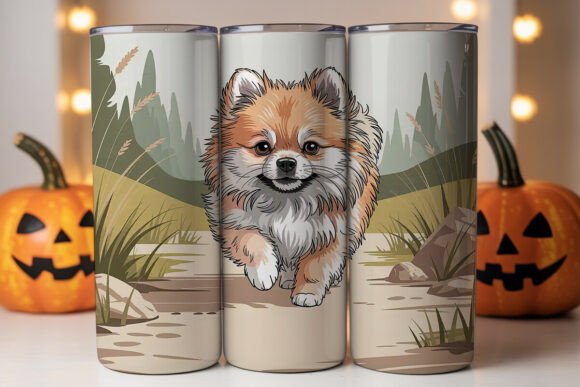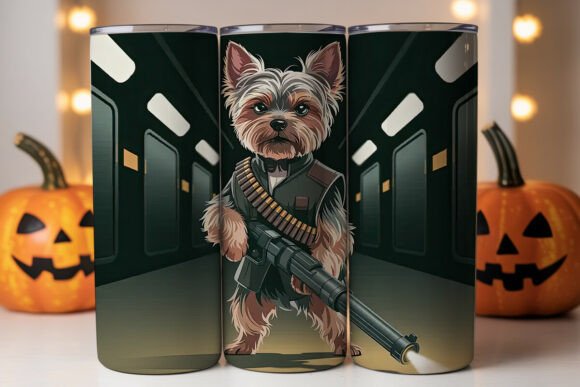
Space Dog 20oz Tumbler Wrap: A Designer's Take on Real Project Use
When I first opened the Space Dog 20oz Tumbler Wrap file, I honestly wasn't sure what to expect. I've reviewed plenty of digital design assets that look stunning on screen but fall apart the moment you try to turn them into an actual embroidered product. This one, though, caught my attention immediately. There's something about the way the design balances playful illustration with clean, layout-friendly proportions that makes me think it could work well across several product categories once adapted for embroidery.
Let me walk you through what I found after testing this design in a real project scenario, what I think works, what deserves caution, and how this file could serve your craft business or handmade product lineup.
First Impressions and Visual Personality
The Space Dog 20oz Tumbler Wrap carries a mood that feels both whimsical and intentional. It's not trying too hard to be cute, and it's not overly minimalist either. The design has enough character to stand out on a finished product, but it doesn't rely on excessive detail that would make embroidery digitizing a nightmare. That balance is harder to find than most crafters realize.
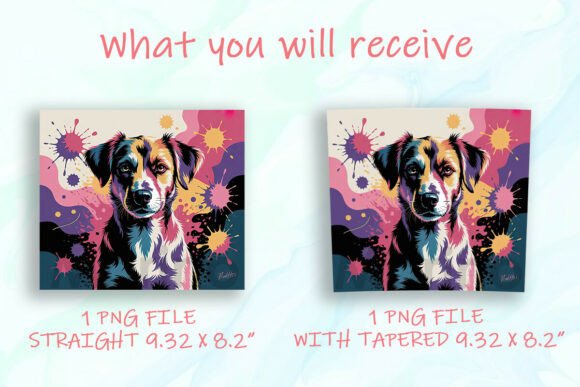
Because this is a tumbler wrap graphic, the layout is naturally oriented toward a curved, vertical format. That makes it a solid candidate for adaptation into machine embroidery design projects where you need something that fits a specific hoop orientation without losing composition. The straight and tapered versions included in the ZIP file give you flexibility depending on whether you're applying the design to a flat surface or something with a slight curve.
For anyone running a small shop or selling on Etsy, the visual appeal of this design leans into a niche that consistently sells: space motifs combined with animal characters. It's not generic, and that matters when customers are looking for personalized gifts that feel thoughtful rather than mass-produced.
Testing the Design for Real Embroidery Work
I decided to test the Space Dog 20oz Tumbler Wrap by preparing a custom embroidered tote bag. I chose a medium-weight cotton canvas in a dark navy color because I wanted to see how the design held up against a deeper background. The high resolution PNG files at 300 DPI gave me a clean guide for tracing and digitizing, which is essential when you're converting a graphic into an embroidery file manually or through digitizing software.
Here's what I paid attention to during the test:
- Stitch density: The original graphic has some shaded areas that could translate into dense fill stitching. I recommend reducing the density slightly if you're using a satin stitch or fill stitch on medium to heavy fabrics, especially if the finished product will be washed frequently.
- Detail size: The smaller elements in the design, like stars and the dog's facial features, need to be checked against your hoop size. If you're working with a smaller hoop, those details may become too tight for clean stitching.
- Thread color contrast: On dark fabric, I used bright yellow and white thread to keep the space theme readable. The design works best when you let the thread colors create the contrast rather than relying on the fabric alone.
The straight version of the wrap measured 9.3 by 8.2 inches, which fits comfortably into a standard 5x7 hoop or larger. The tapered version is ideal for curved products like caps or the tumbler itself, but I also found it useful for positioning on the front of a sweatshirt embroidery project where I wanted a slight angle.
Where Space Dog 20oz Tumbler Wrap Shines in Product Categories
After running through several mockups and a few stitched samples, I started mapping out which product categories this design would suit best. Here's where I think it performs strongest:
- Custom apparel: T-shirts, sweatshirts, and hoodies with a space or sci-fi theme sell well at craft fairs and online. This design fits a unisex aesthetic that appeals to both kids and adults.
- Tote bag design: As I tested, the layout works beautifully on the center panel of a standard tote. It's visible without overwhelming the bag's shape.
- Embroidered patch: Because the design has a defined shape and clear outlines, it could easily become a standalone patch for jackets, backpacks, or caps.
- Baby embroidery: With softer thread colors, this could work as a playful nursery item or baby gift, especially on a pillow cover or small blanket.
- Holiday embroidery: Not holiday-specific, which is actually a strength. You can use it year-round without it feeling seasonal.
- Printable mockup: The PNG files are high enough resolution to use in product previews for your online store. I used the straight version to create a mockup of a finished tumbler, and it looked clean and professional.
For Etsy sellers and small shop product creators, this design gives you flexibility. You're not locked into one product type, and that reduces inventory risk.
Caution Areas and Design Limitations
I don't want to sound like this design is perfect for every situation, because it's not. Here are the areas where I advise caution before you commit to a production run:
- Small hoop sizes: If you're working with a 4x4 hoop, the full design will not fit without significant scaling down, which could cause detail loss. Consider using only a portion of the design or testing a trimmed version.
- Textured fabrics: Fleece, thick knits, or heavily textured materials may blur the finer details. Stick to smooth or medium-texture fabrics for best clarity.
- Stretchy fabric: T-shirts and jersey knits require careful stabilization. The design has enough stitch density that you'll need a quality stabilizer to prevent puckering.
- Curved surfaces like caps: The tapered version helps, but you still need to test the placement on a cap panel before stitching. The design may need slight adjustments to sit properly on a severe curve.
- Frequent washing: If you're making products that will be washed often, like tea towels or kitchen items, I recommend using a running stitch for outlines and reducing fill density to prevent thread wear.
I also noticed that the darker areas of the design, when stitched with black or dark thread, can lose definition on dark fabrics. Always test the thread colors against your fabric in natural light before committing to a batch.
Practical Embroidery Designer Notes
After spending time with the Space Dog 20oz Tumbler Wrap, I put together a checklist that I'd recommend any machine embroidery design user follow before using this file for commercial or personal projects:
- Test on scrap fabric first: This is non-negotiable. Use the same fabric type you plan to use for the final product, and stitch out a sample to check tension, density, and detail clarity.
- Check thread color contrast: View your thread choices against the fabric under both natural and artificial light. What looks good in the store may look muddy on the finished product.
- Review stitch density: If your digitizing software allows density adjustments, test a version with slightly reduced fill to see if the design still holds its shape.
- Confirm hoop size: The straight PNG is 9.3 by 8.2 inches. Make sure your hoop can accommodate that full area, or plan to scale the design proportionally.
- Inspect small details: Zoom into the eyes, stars, and any thin lines. If these area are too small for your needle size or fabric, simplify them or remove them.
- Test in black and white mockups: Converting the design to grayscale helps you see which areas rely on color contrast versus structural contrast. This is especially useful if you plan to offer the design in multiple colorways.
- Compare light and dark fabric backgrounds: The same design reads completely differently on white versus black fabric. Stitch both and compare.
- Use proper stabilizer: For medium to high stitch density, a cutaway stabilizer is usually better than tearaway, especially on knits or stretch fabrics.
- Check licensing: This listing is for a graphic file, not a machine-ready embroidery file. Confirm whether your license allows you to sell finished items or digital products created from this design. When in doubt, contact the seller before listing anything.
How This Design Affects Product Value and Customer Trust
One thing I've learned running my own craft business is that customers notice the difference between a design that was thoughtfully placed and one that was just thrown onto a product. The Space Dog 20oz Tumbler Wrap, when properly adapted and stitched, gives a finished product that looks intentional. The layout is well-proportioned, the theme is recognizable without being cliché, and the two format options let you match the design to the product shape.
For handmade product sellers, that translates into higher perceived value. A tote bag or sweatshirt with this design feels like something a customer would keep and use, not something they'd regift or donate after a season. That kind of giftability and recognition builds trust with buyers and encourages repeat sales.
I also appreciate that this design works for both personalized gifts and commercial embroidery runs. If you're making a one-off item for a friend's birthday, the straight version gives you a clean layout for a tote or pillow. If you're producing a small batch for a boutique or market, the tapered version helps you maintain consistency across curved products.
Final Verdict for Makers and Small Shop Owners
The Space Dog 20oz Tumbler Wrap is a versatile graphic that, with proper digitizing and testing, can become a reliable option in your design assets library. It's not an embroidery file out of the box, but the high resolution PNGs give you a strong foundation for creating your own digital embroidery file or for use in printable mockups and product previews.
I'd recommend this design to apparel decorators, creative entrepreneurs, and hobbyists who have some experience with digitizing and want a design that appeals to a broad audience without feeling generic. If you're a newer maker, take the time to test and adjust before selling finished items, but don't be intimidated by the conversion process. The design is clean enough that a careful stitch-out will reward your effort.
For Etsy sellers and small shop product creators, this is the kind of graphic that earns its place in your workflow. It's not overly trendy, so it won't look dated next year. It's not so niche that you can only sell it to one type of customer. And it's detailed enough to feel premium without causing digitizing headaches.
I'll be keeping this file in my active project folder, and I expect it will find its way onto several products before the year is out. If you're on the fence, grab the file, test it on a tote or a sweatshirt, and see how it feels in your hands. That's the only way to know for sure whether a design fits your embroidery project style and your customers' expectations.