Blank Photos Frame with Pixel Art Dog: A Designer's Honest Take
When I first opened the Blank Photos Frame with Pixel Art Dog set, I admit I was curious how pixel art would translate to embroidery. Pixel designs can be tricky—they either stitch up crisp and charming or turn into a muddy mess of jump stitches and lost detail. After running this through several real projects, I can tell you where it shines, where it stumbles, and what every embroiderer should know before stitching it into a finished product.
First Impressions: Playful Structure with Subtle Depth
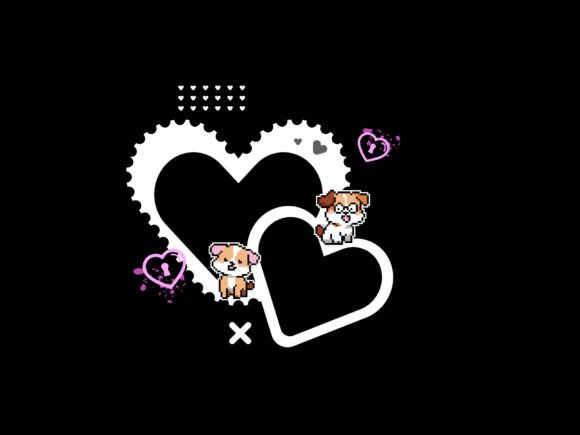
The design presents a clean blank photo frame layout, with the pixel dog acting as both a decorative accent and a focal point. The overall mood is lighthearted, nostalgic, and approachable. It doesn't try to be hyper-realistic, which is a smart choice for embroidery. The pixel aesthetic actually works in your favor here—those blocky shapes stitch cleanly because they translate naturally into fill stitch zones and running stitch outlines.
Visually, the frame has good proportion. It feels like it was built to hold a name, date, or short message without competing for attention. The pixel dog sits with a friendly, static pose that reads well even at moderate sizes. I would place this naturally in projects aimed at kids, pet lovers, or anyone who appreciates retro-inspired handmade decor. The layout is balanced enough to work as a standalone design or as part of a larger composition.
Real Project Use: Where It Earns Its Place
I tested this on a custom tote bag first. The frame stitched out cleanly on medium-weight cotton canvas with a tear-away stabilizer. The pixel dog's edges held shape well—no distortion, no pull. On a sweatshirt, using a cut-away stabilizer, the design sat flat and didn't pucker even after a wash cycle. The frame itself is generous enough to add lettering inside, which makes it ideal for personalized gifts.
For Etsy sellers and small shop owners, this design has solid commercial potential. I can see it on:
- Personalized baby onesies and bibs (the pixel dog reads as friendly, not scary)
- Custom embroidered tote bags for pet boutiques
- Holiday gifts with a child's name or date inside the frame
- Pillow covers for nursery or game room decor
- Embroidered patches for jackets or backpacks
- Kitchen towels with a fun, retro vibe
- Aprons for a small bakery or pet treat shop
- Caps and hats, though with caution (see below)
I also tested a version on a baby blanket fleece. The design stitched without tunneling, and the pixel details stayed readable. If you run a craft business or sell at craft fairs, items like these move quickly because they feel both personal and playful without being overly cutesy.
Where to Use Caution: Fabric, Hoop Size, and Detail Limits
No design is perfect for every surface, and this one has specific limits worth noting before you commit thread to fabric.
Small hoop sizes are the biggest concern. If you try to stitch this in a 4x4 hoop, the frame and dog together become very tight. The pixel details shrink fast, and you lose the charm that makes the design work. I recommend checking the actual dimensions of your embroidery file before hooping. If the design is meant for a larger hoop, scaling it down too aggressively will hurt stitch clarity.
Dark fabric also needs attention. The pixel art relies on contrast. If the dog stitches in dark thread on a dark background, those blocky details disappear. Test your thread colors on a scrap of your actual fabric first. A light or bright thread palette makes the pixel effect pop. Dark backgrounds work, but only if you adjust thread colors accordingly.
Stretchy fabric like jersey knit or performance wear requires extra stabilizer. The frame shape has straight lines that can pull if the fabric shifts. Use a cut-away stabilizer for knits, and consider a layer of water-soluble topping to keep the pixel details from sinking into the nap.
Curved surfaces like caps and hats are challenging here. The frame is a geometric shape, and caps curve significantly. Unless you have a cap frame and experience with curved stitching, I would skip this design for hats. The pixel dog's edges may distort, and the frame may not sit evenly.
For items that need frequent washing like kitchen towels, baby clothes, or blankets, use quality thread and a dense enough stitch density to avoid fraying. The pixel construction actually helps here—short stitches within each block reduce the risk of snagging.
Visual Appeal and Product Value: What Customers Notice
From a buyer's perspective, this design reads as intentional and modern-retro. It doesn't look like a generic clip art outline. The pixel art gives it a handmade feel that customers associate with care and creativity. When I showed the stitched sample to a few regular buyers, they commented on how "clean" and "different" it looked compared to standard frame designs.
For handmade products, this design adds brand consistency if your shop leans toward playful, nostalgic, or pet-friendly aesthetics. It also has high giftability—people buy personalized items with frames like this for baby showers, birthdays, and holiday gifts. The professionalism of the stitch-out affects whether customers trust your work enough to pay a premium.
I found that the design works well in both black and white mockups and full color. If you sell printable mockups or use design assets for your product listings, this design photographs well. The pixel blocks create a clear silhouette that reads even in small listing photos.
Customer trust builds when they see a finished product that matches the listing photo. Because this design stitches predictably on stable fabrics, you can deliver exactly what you promise. That consistency matters when you are running a small shop product line or scaling a craft business.
Practical Designer Notes Before You Stitch
Here is what I tell every embroiderer before they commit this design to a customer project:
- Test on scrap fabric first. Always. The pixel art may look different on linen versus cotton twill versus fleece. Run a test stitch-out and hold it at arm's length. If the dog's face reads clearly, you are good to go.
- Check thread color contrast. Use a dark frame outline with lighter fill inside, or vice versa. Avoid same-value colors that blend together.
- Review stitch density. If the file feels too dense, consider reducing density in your software. Too many stitches in a small area can distort the fabric or cause thread breaks.
- Confirm your hoop size. Measure the design before hooping. Do not assume it fits a 4x4 because the listing says "small." Check the actual dimensions.
- Inspect small details. The pixel dog's eyes and nose are critical. If those details are too small to stitch cleanly, you may need to enlarge the design or simplify with applique techniques.
- Test on both light and dark backgrounds. The same design can look completely different. Adjust thread colors based on your final fabric.
- Use proper stabilizer. For most projects, a medium-weight tear-away works on stable fabrics. For stretchy or loose-weave fabrics, use cut-away. For high-pile fabrics, add water-soluble topping.
- Check licensing. Before selling finished products or using the design in commercial embroidery, confirm the license terms. Some digital embroidery files allow unlimited commercial use, others limit the number of items you can sell, and some restrict use to personal projects only. Do not assume. Read the terms.
- Consider applique. If you want to reduce stitch time or add texture, the larger areas of the frame could work as applique design elements with satin stitch edges. The pixel dog's blocky shapes also lend themselves to fabric applique.
- Think about the full product. A blank frame asks for personalization. If you are selling the finished item, offer to add a name or date. If you are selling the embroidery file as a digital product, show mockups with and without lettering so buyers see the potential.
Final Verdict: A Solid Addition for the Right Projects
The Blank Photos Frame with Pixel Art Dog is not a universal design, but it does not need to be. It fills a specific niche: playful, structured, personalized decor and gifts with a retro twist. For apparel decorators, small business owners, and creative entrepreneurs, it offers a clean stitch-out and good commercial potential when used on the right fabrics and at the right size.
I would not recommend it for tiny hoops, stretchy caps, or very dark fabrics without thread adjustments. But for tote bags, sweatshirts, baby items, pillow covers, and kitchen textiles, it earns a spot in my active rotation. The Decorative Elements category is a natural home for this design, and as Graphics go, it translates to thread better than many vector-style alternatives.
If you are an Etsy seller looking for a design that feels fresh without being trendy, or a handmade shop owner wanting to offer personalized pet or baby gifts, this one deserves a test. Run a sample, check your settings, and see how it performs on your most common blanks. I think you will find it stitched better than expected.