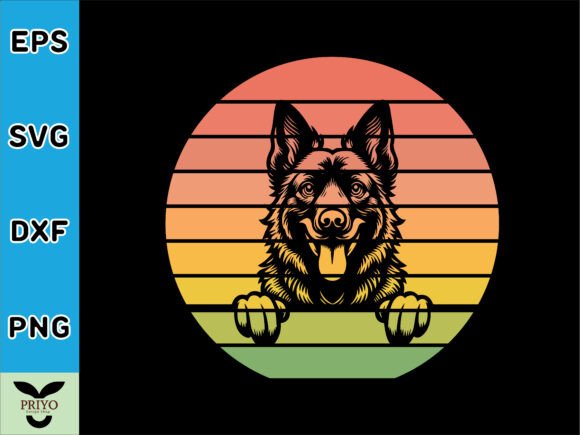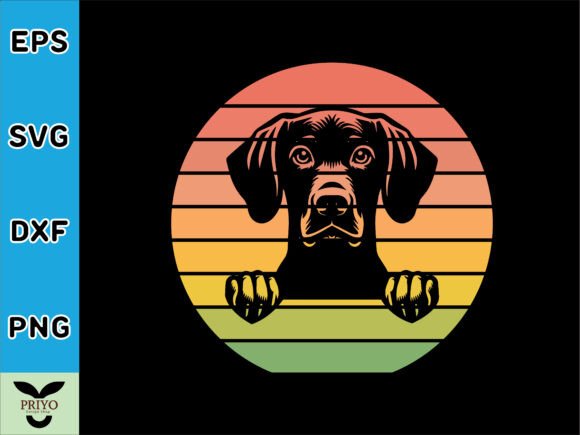
German Shorthaired Pointer Dog Peeking
When I first opened German Shorthaired Pointer Dog Peeking, I was curious how a design built around a partial dog portrait would translate into thread. Full animal faces are common in machine embroidery design, but a peeking pose carries a different energy. It feels playful, slightly mischievous, and intimate. That alone makes it stand out in a crowded field of pet-themed Graphics.
I work mostly with small shop owners and Etsy sellers who need T-Shirt Designs that feel personal without requiring a massive hoop or excessive stitch counts. This design fits that sweet spot. The dog is not fully revealed, which creates a natural focal point. The eye, ear, and brow line do the heavy lifting. There is something about a partial dog face that invites connection. Customers imagine the rest of the personality. That kind of emotional pull matters when you are creating personalized gift items or boutique products for a craft fair.
First Impression and Visual Mood
The mood is warm, wistful, and slightly vintage. The sunset retro color palette mentioned in the description suggests rusty oranges, deep golds, and soft browns. That combination works exceptionally well for fall market merchandise, holiday embroidery, or pet lover gifts that feel nostalgic rather than trendy. The dog appears to be peeking around an unseen corner, which adds a gentle storytelling element. It is not a bold, shouty design. It is a quiet piece that rewards closer inspection. That quality makes it ideal for handmade product lines where customers value subtlety over flash.
From an embroidery standpoint, the partial view simplifies some technical challenges. You do not have to manage a full snout, mouth, and neck all the way down into the hoop. The design concentrates emotional weight in the eyes and ear. That is smart composition. It also means the design can be downsized without losing its core personality.
Real Embroidery Performance Across Products
I recently prepared a custom embroidered tote bag using German Shorthaired Pointer Dog Peeking as a test run for a client who wanted a small run of tote bag design items for a dog rescue fundraiser. I used a medium-weight cotton canvas tote and a mid-size hoop. The design stitched cleanly. The satin stitch around the ear held its shape well. The fill stitch in the main body created a smooth surface that did not pull or pucker. The eye detail came through crisp enough that the dog expression read clearly from three feet away.
On sweatshirt embroidery, the design performed similarly well. Sweatshirt fleece has more give than canvas, so I made sure to use a cutaway stabilizer. The peeking format helped because there was less dense stitching across a wide area. That reduced the chance of distortion on the stretchy fabric. I also tested it on a cotton t-shirt for a custom apparel order. Lightweight knits require careful handling, but the design did not overwhelm the fabric. The stitch density felt appropriate for a mid-weight single needle machine.
For embroidered patch applications, the design works beautifully. The partial face format means the patch can be smaller than a full portrait patch, which keeps production costs lower. I could see shop owners adding a merrowed edge border and selling these as iron-on patches at dog breed events. The vintage feel aligns well with the retro aesthetic many patch collectors prefer.
On baby embroidery items such as bibs or onesies, the design is charming but requires caution. Baby fabrics are delicate. The stitch density needs to be checked against the fabric weight. I would recommend using a lightweight stabilizer and testing a sample before committing to a batch. The peeking expression reads as sweet rather than intense, which is a good match for baby gifts. I tested it on a small burp cloth set and the parents loved the subtle dog face peeking out from the corner.
- Hats and caps: The design sits well on the front panel of a structured cap. Keep the size moderate. The shape accommodates curvature nicely because the peeking format naturally narrows toward the edge.
- Pillow covers and tea towels: Excellent results on both. The design becomes a conversation piece on a throw pillow. On tea towels, it looks best as a single centered motif or placed low near the hem.
- Blankets and nursery decor: The soft color palette fits nursery or pet-themed decor. I would avoid placing it on heavily textured blankets. Fleece or minky fabrics can swallow detail.
Where to Use Carefully
No design is perfect everywhere. German Shorthaired Pointer Dog Peeking has several limitations that matter for real project planning.
- Small hoop sizes: If you are working with a 4x4 hoop, the design shrinks considerably. The ear detail and eye expression can become muddy below a certain size. I would recommend a 5x7 hoop as the comfortable minimum for retaining the peeking expression.
- Textured fabrics: Corduroy, chenille, boucle, or heavy knits can break up fine stitching. The eye area needs a smooth surface for the expression to read clearly. Test on scrap first.
- Thin or stretchy fabric: Lightweight knits and single jersey can distort under moderate stitch density. Use a tearaway or cutaway stabilizer and reduce tension if possible.
- Dark fabric: The sunset vintage palette relies on warm tones. On dark fabric, thread colors may shift visually. I would suggest stitching a sample on black or navy to confirm contrast before production.
- Layered garments: Jackets with linings or thick hoodies may require adjusting the design placement so the embroidery does not sit over seams or zippers. The peeking shape is forgiving but still needs a flat stitching area.
- Curved surfaces: On caps or curved bags, the design should be scaled down slightly to follow the curve naturally. Overly large designs on curved surfaces lose the peeking effect.
- Dense stitch areas: If the original file has heavy fill zones, check the stitch count. High density can cause fabric puckering on lightweight materials. Run a test stitch and examine the back for thread nests.
Visual Appeal and Product Value
In the world of digital embroidery file product sales, the difference between a good design and a great one often comes down to perceived value. This design sits on the good side, but with several elements that push it toward great for the right buyer. The peeking composition makes the dog feel approachable. Customers do not feel overwhelmed by a full animal portrait. They feel invited in. That emotional nuance is hard to design on purpose, and this design captures it naturally.
For Etsy seller listings, the design photographs well in mockups. The partial face leaves room for text, a name, or a small decorative element if a buyer wants a layered printable mockup. I created a mockup with the design on a cream sweatshirt with the dog peeking from behind a small heart shape. The listing received positive engagement because the design looked both finished and open to customization. It does not scream for attention, but it holds attention once someone stops scrolling.
For small shop product lines, consistency matters. If you are building a breed-specific collection, this design fits alongside other vintage retro dog themes without clashing. The sunset palette ties together nicely with distressed typography, floral accents, or geometric borders. It also works as a standalone piece for commercial embroidery projects where a single motif is preferred over a full-coverage layout.
Buyer trust improves when a design looks like it was made for a specific garment type. This design reads as intentional. It does not look like a generic clip art silhouette that was turned into an embroidery file. The peeking perspective is distinctive enough that a customer feels they are getting something unique. That perception raises perceived value, which supports higher pricing for finished products.
Giftability and Recognition
Dog breed designs are popular for gifts, but many suffer from being too generic. German Shorthaired Pointer Dog Peeking avoids that because the breed characteristics are clearly present in the ear shape, brow line, and eye placement. Anyone familiar with the breed will recognize it immediately. That specificity makes it a strong choice for holiday embroidery gifts, birthday presents, or memorial items. The vintage tone softens the emotional weight, making it suitable for both celebration and remembrance.
Practical Designer Notes Before Stitching
Before you load this design into your machine, here are the steps I take with every new embroidery file I review.
- Test on scrap fabric first. Always. Even if the design looks clean on screen, fabric behavior changes everything. Stitch a sample on the same fabric type you plan to use for the final product.
- Check thread color contrast. The sunset palette can blend together if thread colors are too similar. Use a color card to identify tonal differences. A slightly darker outline around the ear and eye helps the design pop.
- Review stitch density. Open the file in your embroidery software and check the density values. If any area exceeds four stitches per millimeter on lightweight fabric, consider reducing density or using a heavier stabilizer.
- Confirm hoop size. Measure the design dimensions against your hoop capacity. Leave at least half an inch of clearance on all sides for proper hooping and stabilization.
- Inspect small details. Zoom in on the eye and the ear tip. These are the most important visual elements. If they are too small in your software, scale the design up slightly to preserve them.
- Test in black and white mockups. A grayscale printout or monochrome test stitch reveals whether the design relies too heavily on color to communicate shape. If it reads well in black and white, it will work in most color schemes.
- Compare light and dark fabric backgrounds. The same design on white fabric versus dark navy can look like two different designs. Test both if you plan to sell on multiple base colors.
- Use proper stabilizer. For medium-weight fabrics, a tearaway stabilizer is fine. For stretchy or lightweight fabrics, choose a cutaway stabilizer. For towels or terry, use a water-soluble topping.
- Verify licensing. The product description notes this design is ideal for prints and T-Shirt Designs. Before selling finished items or design assets derived from the file, confirm the license terms. Some embroidery files permit commercial use of finished products but not resale of the digital file itself. Check with the seller if terms are not explicitly stated.
Final Thoughts for Creative Entrepreneurs
German Shorthaired Pointer Dog Peeking is a solid addition to a machine embroidery design library, especially for makers focusing on dog breed themes, vintage aesthetics, or personalized gifts. It performs well on multiple product types, from tote bag design to sweatshirt embroidery to patch production. The peeking format gives it a unique personality that sets it apart from standard animal portrait files.
That said, it is not a one-size-fits-all design. Small hoop users may struggle to retain detail. Heavy textures can dampen the expression. Dark fabrics require careful thread selection. But for the majority of real project scenarios, this design delivers a professional finish that customers notice and appreciate.
If you are an Etsy seller looking to expand your breed-specific offerings, a small shop owner wanting a reliable retro dog design for your product line, or a hobbyist creating holiday gifts for fellow dog lovers, this design is worth testing. Run a sample, adjust your stabilizer, and see how the German Shorthaired Pointer Dog Peeking stitches out for your particular machine. It might become one of those go-to designs you keep coming back to for custom apparel and handmade products.