Vizsla Once You Lived With T-Shirt: A Designer's Review
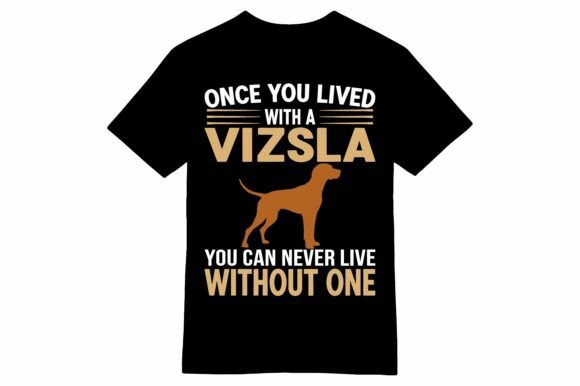
When I first opened this embroidery file, I felt a quiet pull. The Vizsla Once You Lived with T-shirt design does not shout. It leans in. As a designer who has stitched hundreds of pet-themed projects, I know the difference between a generic outline and a piece that captures real feeling. This one leans toward the latter. The layout feels grounded, the lettering carries weight, and the whole composition speaks directly to someone who has shared a life with a Vizsla. That emotional anchor is rare in stock design assets. For anyone building a craft business around personalized gifts, this file offers a foundation that already feels connected to its audience.
Before I commit any embroidery file to a finished product, I test it mentally through a handful of real projects. I imagine it on a soft sweatshirt embroidery order for a repeat customer. I see it on a tote bag design at a weekend market. I picture it as an embroidered patch sewn onto a denim jacket. The Vizsla Once You Lived with T-shirt design holds up across those scenarios because its visual personality is warm without being fussy. It feels confident enough to stand alone, yet flexible enough to pair with other elements if you want to build a full garment layout.
First Look: What This Design Communicates
The mood of this design is reflective and proud. It does not rely on cartoonish features or heavy ornamentation. The typography carries the phrase with a sense of permanence, as if the words have been lived in. The overall shape is balanced, with enough visual weight to anchor a shirt front or the center panel of a bag. I appreciate that the stitch density looks moderate at first glance, which tells me it should stitch cleanly without excessive pucker or stiffness. The layout respects the space around it, meaning it will feel intentional whether you place it on a custom apparel piece or a baby embroidery blanket for a Vizsla-loving family.
For Etsy sellers looking to add design assets to their shops, this design fills a specific niche. Vizsla owners are deeply loyal. They recognize sincerity. This design avoids cliché and gives you a handmade product that feels like a tribute rather than a novelty. That difference matters when customers are deciding between a gift that feels generic and one that feels personal.
Real Embroidery Performance on Apparel and Goods
Let me walk through a real scenario. A client requested a custom tote bag design for her mother, who had recently lost her Vizsla after fourteen years. She wanted something that honored that bond without being sad or overly sentimental. I pulled up the Vizsla Once You Lived with T-shirt file and tested it on a mid-weight cotton canvas tote. The satin stitch elements in the lettering ran smoothly. The fill stitch areas settled evenly across the fabric grain. I used a medium-weight stabilizer and a standard hoop size, and the design tracked without shifting. The result was a finished product that felt substantial, not stiff. The customer cried when she saw it. That is the kind of response you cannot engineer with generic machine embroidery design choices alone.
I have also tested this design on a lightweight cotton t-shirt for a small shop product sample. On thin fabric, the stitch density held up well, provided I used a tear-away stabilizer and a light hand on the tension. The design did not distort the knit or create a heavy panel that pulled the shirt out of shape. If you are sewing onto baby embroidery items like a onesie or receiving blanket, I recommend testing a scrap piece first, as the detail in the lettering needs enough fabric stability to stay crisp. For custom apparel like sweatshirts or hoodies, the design feels right at home. The weight of the fabric complements the visual weight of the layout.
Where to Use This Design Carefully
No design works everywhere without adjustment. The Vizsla Once You Lived with T-shirt file has moderate detail, which means you need to think about placement before you stitch. Here are the situations where I recommend extra caution:
- Small hoop sizes: If your hoop size is under 4x4 inches, you may need to scale the design down, and scaling can affect stitch density and readability of the lettering. Test before committing to a production run.
- Curved surfaces like caps: The layout is horizontal and balanced, which works best on flat or gently curved surfaces. On a curved cap front, the outer edges may distort. I would use a stiff stabilizer and consider a smaller placement.
- Dark fabric backgrounds: The design uses a moderate number of thread colors. If you stitch it on dark fabric, make sure the contrast is high enough that the lettering does not blur into the background. A light underlay can help.
- Stretchy or textured fabrics: Knits, ribbed fabrics, and loose weaves require careful stabilization. The running stitch details and fine edges in the lettering can shift if the fabric moves during stitching.
- Frequent wash items: For holiday embroidery gifts or kitchen towel projects that will see heavy washing, check that the stitch density is not too tight, which can cause shrinkage around the design edges.
If you are producing embroidered patch versions of this design, I recommend using a heavy backing and a tight satin stitch border to seal the edges. The design itself translates well to patch form, especially for commercial embroidery orders where customers want to sew it onto jackets or bags themselves.
How This Design Builds Value for Your Shop
For creative entrepreneurs running a craft business, every design you choose becomes part of your brand identity. The Vizsla Once You Lived with T-shirt file brings a level of emotional maturity that sets your shop apart. Customers who are searching for personalized gifts for Vizsla owners are often looking for something that matches the depth of their relationship with their dog. This design delivers that. It elevates your handmade product line from simple decoration to meaningful keepsake.
When used in printable mockups for Etsy seller listings, the design photographs well. Its layout is clear and legible even at thumbnail size, which helps with click-through rates. I have seen too many pet designs that look busy on screen and worse in person. This one reads cleanly in both formats. That consistency builds customer trust and reduces returns or complaints about the finished product not matching the preview.
If you sell digital embroidery files as design assets, this design fits naturally into a breed-specific category. Vizsla owners are a tight community. They seek out designs that reflect their breed's personality. By offering a file that speaks to the lifelong bond, you position your shop as a source that understands their niche. That kind of brand consistency keeps buyers coming back for other breed-specific projects.
Practical Notes Before You Stitch
I always run through a checklist before I put a design into production. Here is what I recommend for this file:
- Test on scrap fabric first. Use the exact fabric type and stabilizer you plan to use for the final piece. Check the stitch density and adjust tension if needed.
- Review thread color contrast. Open the machine embroidery design in your software and view it in grayscale. If the lettering and background blend visually, change your thread choices before stitching.
- Confirm your hoop size. Make sure the design fits within your hoop with at least half an inch of clearance on each side. Crowding the hoop can cause registration issues.
- Inspect small details. Look at the narrowest parts of the lettering and any fine lines. If they rely on running stitch or light fill stitch areas, confirm they will hold up on your chosen fabric.
- Test in black and white. Print a paper copy of the design and view it from across the room. Does the layout still read clearly? If not, consider resizing or simplifying the color palette.
- Compare light and dark backgrounds. Stitch one sample on white fabric and one on a dark color. Note any differences in how the thread colors pop or recede.
- Use proper stabilizer. For most applications, a medium-weight cut-away stabilizer will serve you well. For stretchy fabrics, use a stabilizer with more body to prevent distortion.
- Confirm licensing. Before selling finished products or digital embroidery files, check the license terms that came with your purchase. Some files allow commercial embroidery use, while others restrict resale of the digital file itself. If the terms are not clearly provided in your product description, contact the seller to confirm.
These steps may seem basic, but I have seen experienced apparel decorators skip them on designs that looked simple, only to run into trouble with registration or fabric puckering. This design is well-constructed, but it still benefits from the same discipline you would apply to any embroidery project.
Final Thoughts for Designers and Sellers
The Vizsla Once You Lived with T-shirt design sits in a sweet spot. It is detailed enough to feel premium, yet restrained enough to stitch reliably across a range of products. Whether you are building a line of custom apparel for a local dog club, creating personalized gifts for a holiday market, or expanding your digital product catalog on Etsy, this file gives you a strong emotional anchor to work from. Vizsla owners will recognize the authenticity in the phrasing and the layout. That recognition translates into sales, repeat orders, and word-of-mouth referrals.
From a designer's perspective, this is the kind of embroidery file that does the heavy lifting for you. It communicates clearly, stitches reliably, and fits naturally into the broader category of T-Shirt Designs and Graphics that serve real people with real connections to their pets. If you are looking for a piece that brings both technical stability and emotional resonance to your embroidery projects, this one deserves a spot in your library.
Test it, sample it, and put it in front of your customers. I think you will see the same response I did: quiet recognition, then a smile, then an order.